
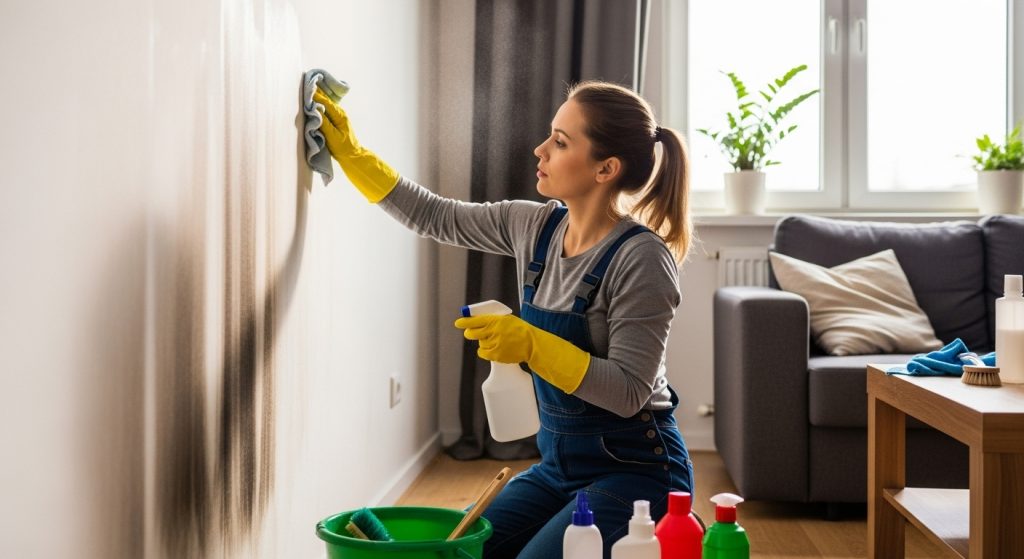
One day, your walls look crisp and welcoming.
Next, you notice strange black streaks creeping up near the ceiling, dark smudges above picture frames, or faint gray shadows around air vents.
At first, you blame dust, lightning, or your imagination. Then reality hits: it’s soot.
Soot stains on painted walls are one of those annoyingly subtle household problems that can sneak up on even the cleanest homeowners.
Whether they come from candles, fireplaces, cigarette smoke, cooking fumes, or malfunctioning heaters, these marks can make an otherwise beautiful room look dingy, neglected, and permanently “smoky.”
The good news is you don’t need to repaint your entire house or call a professional restoration crew for minor to moderate staining.
With the right approach, tools, and a little patience, removing soot from painted walls is absolutely doable—and surprisingly satisfying.
Understanding Smoke and Soot
Before grabbing a sponge and going into battle, it helps to understand what you’re actually dealing with.
Soot is a fine black or dark gray powder made up primarily of carbon particles. It’s a byproduct of incomplete combustion—meaning something burned, but not cleanly.
Candles, fireplaces, gas stoves, cigarettes, incense, oil lamps, and even malfunctioning furnaces can all release soot into the air.
Painted surfaces—especially flat or matte finishes—have microscopic pores and textures that trap soot particles.
Over time, these particles cling to the wall using static electricity and greasy residues from smoke. That’s why soot stains don’t just wipe away like dust.
The most common causes of black marks or soot stains on walls are:
- Candle smoke collecting near ceilings and corners
- Fireplace or wood stove emissions
- Cooking grease mixed with smoke
- Cigarette or cigar tobacco smoke
- Faulty HVAC systems distributing dirty air
- Oil-based lamps or kerosene heaters
These stains often appear as smudges or streaks above door frames, dark halos around air vents, faint gray “shadows” on ceilings, and mysterious black lines on interior plaster or sheetrock walls.
Sometimes people refer to these stains as ghost marks—those strange, shadowy outlines that seem to trace wall studs or ceiling joists.
While not always pure soot, they’re often related to airborne particles sticking to temperature differences in the wall surface.

5 Ways to Clean Soot Off Painted Walls
Not all soot stains are created equal. A light haze from candles needs a different approach than years of cigarette smoke buildup.
Below are five proven methods, starting from the gentlest and working up to more powerful solutions.
1. Dry Cleaning Sponge
If you only try one tool, make it this one.
Dry cleaning sponges—also called chemical sponges or soot sponges—are made of vulcanized rubber designed to lift soot and smoke residue without spreading it around.
Soot is oily and powdery. Water can smear it deeper into the paint. A dry sponge gently pulls particles off the surface instead.
How to use it:
- Start with a completely dry wall.
- Lightly press the sponge against the stained area.
- Wipe in straight, downward strokes—no scrubbing.
- Rotate the sponge frequently to a clean side.
- Trim off dirty sections with scissors as needed.
This method is ideal when you’re just starting out with cleaning soot off interior brick walls and don’t want to risk damage.
You can use this to clean off light to moderate soot and for fresh candle smoke stains.
2. Mild Dish Soap and Warm Water
Once dry cleaning removes the loose particles, a gentle wet clean can handle what’s left behind.
For this method, you’ll need a bucket of warm water, a few drops of grease-cutting dish soap, and two soft microfiber cloths or sponges.
How to do it:
- Mix a small amount of dish soap into warm water.
- Dip your cloth, wring it out thoroughly (damp, not dripping).
- Gently wipe the stained area in straight motions.
- Rinse with a second clean, damp cloth.
- Dry immediately with a towel to avoid streaks.
Pro tip: Always test in a hidden corner first—especially on older paint or low-sheen finishes.
This method is a cornerstone for anyone serious about removing smoke stains from walls without harming paint.
It works best for general smoke residue, light grease-soot mixtures, particularly on the areas above stoves and fireplaces.
3. Vinegar Solution for Stubborn Odors and Residue
Vinegar isn’t just for salads—it’s a mild acid that breaks down smoke residue and neutralizes odors.
The truth is, if you use it correctly, white distilled vinegar with warm water is one of the best cleaners to wipe soot off walls without damaging the paint.
How to use it:
- Mix 1 part vinegar with 2 parts warm water
- Lightly mist the stained area.
- Let it sit for 2–3 minutes (don’t soak).
- Wipe gently with a microfiber cloth and rinse with clean water.
- Dry thoroughly.
This soot removal process is especially helpful when cleaning yellowed cigarette smoke soot from painted walls, where odor removal matters as much as visual cleanliness.
However, you can also use it to clean away kitchen soot buildup.
4. Baking Soda Paste for Heavier Stains
When stains refuse to budge, it’s time for mild abrasion. Baking soda offers gentle scrubbing power for sticky soot without harsh chemicals.
This method is effective when you need something stronger than soap but still safe for most painted surfaces. Its idea for set-in soot stains on high-touch areas and for walls near heaters or vents.
To begin, you will need baking soda, water, and a soft sponge.
How to use it:
- Mix baking soda with just enough water to form a thick paste.
- Dab a small amount onto the stain.
- Gently rub in circular motions.
- Wipe clean with a damp cloth.
- Dry the area completely.
5. Trisodium Phosphate (TSP) for Severe Cases
When nothing else works, TSP is the heavy artillery. It’s a powerful degreaser commonly used in fire damage restoration.
But be aware that you can use TSP only if it is well-diluted. Also, you will need to wear gloves and eye protection, ensure good ventilation, and follow label instructions carefully
How to use it:
- Mix TSP according to package directions.
- Apply with a sponge in small sections.
- Rinse thoroughly with clean water and dry completely.
If you’re trying to remove smoke residue from walls before a renovation or refresh, this is your nuclear option.
The process works best for heavy fireplace soot and years of smoke buildup.

Mistakes to Avoid When Removing Soot Stains from Walls
Even with the best intentions, it’s easy to make things worse. So, here’s what not to do when you are into cleaning soot off walls…
1- Using water first
One of the biggest mistakes people make is grabbing a wet cloth right away. It feels natural to use water to clean, but with soot, this actually makes things worse.
Soot particles are oily and fine, so when you add water, they smear across the surface like black ink, spreading the stain and pushing it deeper into the paint.
Instead of lifting the soot off, you end up creating larger, darker patches that are much harder to remove later.
Always begin with a dry method, such as a soot sponge or a vacuum with a brush attachment, before introducing any moisture.
2. Scrubbing aggressively
When you see stubborn black marks, it’s tempting to scrub harder, thinking more pressure will solve the problem.
Unfortunately, aggressive scrubbing often does more harm than good. It can burnish the paint, leaving shiny, uneven patches, or even strip the paint layer entirely, exposing the surface underneath.
On flat or matte paints, this damage becomes very noticeable. Gentle, patient motions work far better—think of lifting the soot away rather than grinding it into the wall.
3. Skipping a test patch
Not all paints are created equal, and that’s why skipping a test patch is a risky move.
Some paints can handle mild cleaners without any issue, while others may discolor, fade, or soften when exposed to moisture or chemicals.
Before you clean a visible area, always test your method in a small, hidden spot—behind a door or low on the wall works well. This quick step can save you from accidentally ruining a large section of wall.
4. Using colored cloths
It might not seem like a big deal, but using a colored cloth or sponge can cause unexpected staining.
When mixed with moisture or cleaning solutions, dyes from the cloth can bleed onto your walls, especially on light-colored paint. This leaves you with new stains on top of the soot problem.
To avoid this entirely, stick to white or light-colored microfiber cloths, paper towels, or plain white sponges.
5. Rushing into painting
After dealing with soot, it’s tempting to grab a paint roller and cover everything up immediately.
But painting over soot stains without properly sealing them is almost guaranteed to lead to frustration.
Soot oils can bleed through fresh paint over time, creating ugly yellow or gray shadows that reappear days or weeks later.
Before repainting, make sure the wall is thoroughly cleaned, completely dry, and sealed with a stain-blocking primer. Taking this extra step ensures your new paint job stays clean and beautiful.
And when it’s time to paint, pick the acrylic latex paint that is not only soot-resistant but stain-resistant as well.
Preventing Future Soot Buildup on Painted Walls and Maintenance Tips
Once you’ve gone through the effort of cleaning soot off your walls, the good news is that keeping them clean is much easier than starting from scratch again.
A few simple habits can make a big difference and save you from repeating the whole messy process.
1. Improve ventilation
One of the easiest and most effective steps is improving airflow in your home.
Whenever you’re cooking, lighting candles, or using a fireplace, make sure to turn on exhaust fans or open a window slightly.
Good ventilation helps carry smoke and fine soot particles out of the room instead of letting them settle on your walls and ceilings.
Even a small amount of fresh air circulation can dramatically reduce how much residue builds up over time.
2. Switch candle types
Not all candles burn the same way, and some produce far more soot than others.
Paraffin candles, especially cheap or heavily scented ones, are known for creating black smoke. Switching to soy or beeswax candles with cotton or wooden wicks can make a noticeable difference.
These burn cleaner, produce less smoke, and are gentler on your walls and indoor air quality. Trimming the wick to about ¼ inch before each use also helps ensure a steadier, cleaner flame.
3. Clean vents regularly
Your HVAC system plays a bigger role in soot buildup than most people realize.
Dirty vents and filters can trap soot and then redistribute it throughout your home every time the system runs.
Make it a habit to clean your vents and replace or wash filters regularly. This not only keeps soot from spreading but also improves overall air quality and system efficiency.
4. Dust walls occasionally
Walls might not seem like something that needs regular dusting, but a light once-a-month pass can work wonders.
Using a microfiber duster or cloth gently removes fine particles before they have a chance to stick and darken the paint.
This quick maintenance step takes just a few minutes and helps your walls stay brighter and cleaner for much longer.
5. Address combustion sources
Any appliance or feature that burns fuel—like fireplaces, gas heaters, or stoves—should be serviced at least once a year.
Poorly maintained or malfunctioning equipment can produce excess soot without you even noticing it at first.
Regular servicing ensures everything is burning efficiently and safely, reducing both soot buildup and potential health risks.
6. Seal problem areas
If certain rooms are especially prone to soot—like kitchens, dining areas, or rooms with fireplaces—it’s smart to be proactive.
Applying a stain-blocking primer before repainting creates a protective barrier that prevents soot from soaking into the paint layer. But the key is to choose a primer (like KILZ MAX or Zinsser BIN) that offers some smoke stain-covering abilities, as noted on the can itself.
This makes future cleaning easier and helps stop stains from bleeding through if buildup does occur again.
The Bottom Line
Soot stains are frustrating, but they’re not a life sentence for your walls. With a calm approach, the right tools, and a methodical process, you can restore your painted surfaces to their former glory—without stripping paint or draining your wallet.
Start gently. Work your way up. Respect your paint. And remember: prevention is always easier than restoration.
Whether you’re dealing with light candle marks or serious smoke buildup, now you have a clear, tested roadmap for cleaning soot off painted walls like a pro. Your walls—and your lungs—will thank you.
Share the post "5 Ways to Remove Soot from Painted Walls"


One of the greatest feelings in the world is finishing a project. Whether it be remodeling part of your house Read more

Old & Empty Paint Cans We see continuous development around the globe all the time. Due to this, you can Read more

Repainting your cabinets is a great way to give your kitchen a fresh, newer look. However, there is a deceptive Read more

Painting your home can be a great relaxation and fun for DIYers. Yes, it's wonderful - until you spill some Read more

Jack Luis is a semi-retired painter who loved painting his clients’ ideas on their walls.
He had worked as a painter for over a decade serving customers in areas such as Charleston, Mount Pleasant, Beaufort, and Georgetown, SC (South Carolina). Today in his free time, he likes to read and write about the newer techniques implemented in his profession. You may read more about him here or get in touch with him here.