
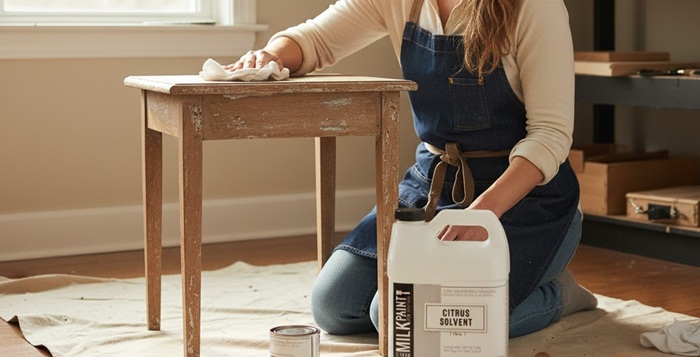
If there’s one thing I’ve learned from years of DIY misadventures, wood finishing experiments, and enough “eco-friendly” product trials to fill a garage, it’s that not all solvents are created equal.
Some smell like a chemistry lab meltdown, some evaporate faster than my weekend plans, and some… surprisingly smell like oranges.
And that last one—citrus solvent—has become one of my go-to helpers on many projects in the recent past.
Not because I’m trying to make my workshop smell like a fruit market, but because citrus solvent offers a powerful punch with fewer fumes and less environmental guilt. It’s strong, versatile, and (thankfully) not as intimidating as some petroleum-based counterparts.
So, in this deep-dive guide, I’ll walk you through what citrus solvent really is, its advantages and disadvantages, where to buy it affordably, how it compares to mineral spirits and traditional thinners, and whether it deserves a spot in your home or shop.
Let’s peel this story back…
The Chemistry Behind Citrus Solvent
Citrus solvent is a natural, biodegradable liquid extracted primarily from orange peels, specifically from a compound called d-limonene.
If you’ve ever zested an orange and felt that light spray of fragrant oil, congratulations—you’ve already met this solvent in its rawest form.
D-limonene is a cyclic monoterpene, a hydrocarbon that packs powerful solvency with relatively low toxicity.
In plain English: it dissolves oils, adhesives, waxes, and greases like a champ, but without the harshness of paint thinner or the eye-watering fumes of acetone.
Advantages of Citrus Solvents
Citrus solvents fall under the umbrella of natural citrus solvent alternatives—a greener replacement for harsh petroleum distillates.
It became a staple in my store room when I first used it as a citrus solvent for tung oil.
Not only did it blend beautifully, but it also reduced tackiness and improved penetration compared to using petroleum-based thinners. From there, I kept discovering more uses.
Here’s why citrus-based solvents deserve some applause:
1. Eco-friendly and biodegradable
Since citrus solvents are derived from renewable plant-based materials—mainly the oils extracted from citrus peels—they offer a naturally sourced alternative to petroleum-based thinners.
Their biodegradable nature means they break down more easily in the environment without leaving behind persistent residues.
With inherently low VOC (Volatile Organic Compound) levels, citrus solvents release far fewer harmful fumes, making them more pleasant to use indoors and significantly safer for people sensitive to strong chemical odors.
And because they are completely non-ozone-depleting, they reduce the environmental footprint of everyday cleaning and stripping tasks.
2. Much better odor than petroleum solvents
Let’s be honest: traditional mineral spirits smell like a headache waiting to happen. Citrus solvents, on the other hand, smell like sweet orange zest.
That doesn’t mean they’re “air fresheners”—they’re still powerful solvents—but the absence of chemical fumes makes them a pleasure to use indoors with ventilation.
I’ve used it while refinishing furniture inside the house, and it didn’t send everyone running outdoors.
3. Powerful solvency without toxicity
What makes citrus solvent especially impressive is the range of materials it cuts through. It handles oil-based finishes, old polish, tar, resin, ink, and marker stains with an efficiency that feels almost unfair for a product made from orange peels.
Its solvency strength comes from the way d-limonene interacts with hydrocarbon chains, essentially breaking them apart so the residue can be wiped clean.
This is why craftsmen, DIY hobbyists, painters, and even professional maintenance crews often use citrus-based degreasers in automotive shops, industrial maintenance, and furniture refinishing.
In my project, I’ve seen it dissolve old tung oil residue from brushes in minutes—something even mineral spirits struggled with.
4. Excellent for woodworking and finishing
Citrus solvent is also valued in woodworking and fine finishing because it works in harmony with natural oils rather than against them.
When used with tung oil or linseed oil, it thins the mixture just enough to help the finish penetrate deeper into the grain, level out more consistently, and dry at a controlled pace.
Petroleum-based thinners often evaporate too quickly or slightly change the sheen, which can lead to blotchy spots or uneven curing. Citrus solvent avoids these issues, giving the woodworker more working time and a beautifully uniform finish that highlights the natural character of the wood.
Another area where citrus solvent truly shines is in cleanup and surface preparation. Brushes, rollers, pads, and finishing tools rinse out far more easily, reducing wear and extending their lifespan.
Beyond that, it works as an excellent surface prep agent—lifting wax buildup, silicone contamination, oils, and other residues before staining or coating. This ensures better adhesion, richer color absorption, and a more flawless final finish.
5. Versatile paint thinner and household cleaner
One of the biggest advantages of citrus solvent is its versatility. When diluted properly, it transforms from a concentrated industrial solvent into an all-purpose household cleaner and substitute for paint thinner that still packs impressive strength.
A mild dilution works beautifully as a general citrus cleaner for everyday surfaces, cutting through fingerprints, light grime, and oily films.
Increase the dilution slightly, and it becomes a reliable citrus solvent degreaser—perfect for cleaning stovetops, kitchen tiles, and range hoods where layers of cooking grease can build up.
Its natural ability to break down sticky compounds also makes it extremely effective as an adhesive and label remover, easily lifting tape residue, sticker glue, and even stubborn price tags without damaging most surfaces.
For tougher jobs, a stronger mix turns citrus solvent into a garage floor degreaser capable of cutting through heavy oil stains, engine grime, and workshop messes.
Whether you’re cleaning household surfaces or tackling demanding DIY projects, this single product can replace multiple specialized cleaners, making your routine simpler, safer, and far more efficient.

Disadvantages of Citrus-Based Solvents
As much as I love citrus solvent in the workshop, it’s not perfect. No solvent is.
So, let’s talk about the realistic drawbacks as well, without which this review will be considered incomplete:
1. Slower evaporation rate
Citrus solvents have a naturally slower evaporation rate compared to fast-acting solvents like lacquer thinner, acetone, or MEK.
This slower evaporation can actually be a benefit in many woodworking and finishing scenarios. It gives you longer working time, allowing oils to soak deeper into the grain and level more smoothly before they begin to set.
This extended open time also helps prevent lap marks or streaking when working with penetrating oils.
However, the same property can become a drawback when you need a finish to dry quickly. Slower drying means longer wait times between coats, which isn’t ideal for fast production work or time-sensitive projects.
Because of this, citrus cleaner solvent is not suitable for applications that demand rapid evaporation. If you’re spraying lacquer or using high-speed, quick-dry coatings, citrus solvent simply cannot match the performance of lacquer thinner.
Its slow-drying nature makes it incompatible with commercial lacquer systems, where fast flashing and quick build are essential for a smooth, professional finish.
2. Can react with certain plastics & rubber
Being a powerful degreaser, citrus solvent can soften or degrade:
- Some plastics
- Rubber seals
- Certain synthetic finishes
So, it’s recommended that you always test on a small area first before proceeding.
3. Still somewhat flammable
Citrus solvent is significantly safer than traditional lacquer thinner, especially in terms of fumes, VOC levels, and overall user exposure.
But it’s important to remember that “safer” does not mean “non-flammable.”
Citrus solvent is still a combustible liquid, and it should be handled with the same level of caution you would apply to any flammable solvent.
Proper storage is essential—keep the container tightly sealed, away from heat sources, and in a cool, dry place. Good ventilation is also a must, not just to avoid the buildup of vapors but to ensure a more comfortable working environment when using it indoors.
Just like with alcohol-based or petroleum-based thinners, you should keep the citrus solvent and the soaked rags far from sparks, open flames, running motors, or anything that can ignite vapors.
4. Citrus solvent often comes with a noticeably higher price tag
Unlike petroleum solvents, which are produced cheaply in massive volumes, citrus solvent is derived from natural citrus peels through steam distillation or cold pressing. This is followed by additional purification steps—often food-grade or near food-grade—to remove impurities and enhance safety.
These processes are more resource-intensive and yield smaller quantities, which naturally pushes the cost higher. As a result, citrus solvent can be three to five times more expensive than standard mineral spirits.
For hobbyists and small workshops, the benefits often justify the cost: better smell, safer handling, and more environmentally friendly performance.
But for large-scale operations or industrial environments where solvent usage is measured in gallons or barrels, the price difference becomes much harder to ignore.
In high-volume applications—like production finishing lines, commercial maintenance, or bulk degreasing—the cost can add up quickly and may outweigh the advantages unless the operation specifically prioritizes eco-friendly or low-VOC products.
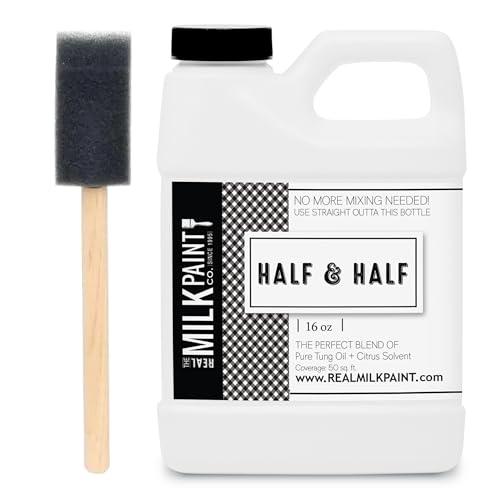
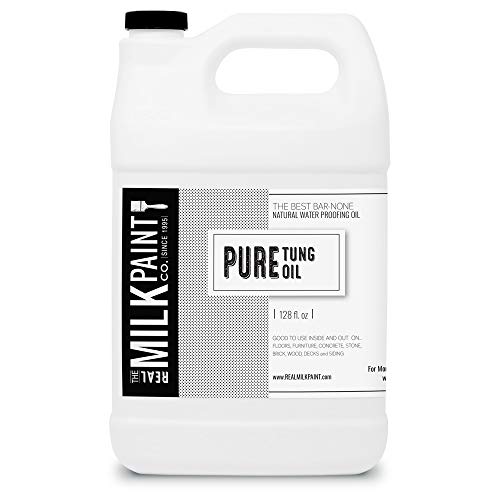

*Last update on 2026-03-30 / Affiliate links / Images from Amazon Product Advertising API
Where to Buy Citrus Natural Solvent at the Best Price?
When it comes to buying high-quality citrus natural solvent, one of the most reputable options on the market is the product from RMP Finishes—formerly known as Real Milk Paint.
Their citrus solvent stands out because it’s food-grade, exceptionally pure, and powerful enough for both everyday cleaning and demanding woodworking tasks.
Over the years, the brand has built a strong reputation for consistency and cleanliness in its formula, making it a trusted choice among woodworkers, furniture restorers, and eco-conscious homeowners.
Whether you see it listed as Real Milk Paint Citrus Solvent, Orange Oil Citrus Natural Solvent, or Real Milk Paint Orange Citrus, it’s the same high-quality product known for its safety and performance.
If you want the best price, the RMP Finishes website typically offers the lowest per-ounce cost, especially for quarts and gallons.
Amazon is another convenient option—often with free or fast shipping—while Woodcraft, Rockler, and local woodworking stores carry smaller sizes for quick purchase.
For industrial or commercial users who need eco-friendly bulk solvents, brands like Vertec Bio Solvents provide larger-scale, plant-based alternatives that also cut down on VOCs and harsh chemicals.

Mineral Spirits vs Thinner vs Citrus Solvent – What’s Better for My Project?
Choosing between mineral spirits, paint thinner, and citrus solvent can get confusing fast—especially because they often overlap in what they can dissolve.
But believe me, each one behaves differently, smells different, and is suited for a different type of finishing workflow.
Mineral spirits remain the reliable, budget-friendly shop companion: excellent for cleaning oil-based products, degreasing metal, and thinning varnishes without evaporating too quickly.
The downside is that it has a strong petroleum odor and higher VOC levels that make ventilation absolutely necessary.
Paint thinner is essentially the “stronger cousin” in this family—a broad category that includes heavier petroleum distillates, naphtha blends, and more aggressive cleaning agents. It cuts through tough finishes fast, strips equipment clean, and works hard—but it comes with high fumes, high flammability, and lower eco-friendliness.
Citrus solvent sits on the opposite end of the spectrum: natural, biodegradable, and surprisingly powerful for woodworking.
It excels at blending tung or linseed oil, removing waxes and adhesives, and general household-safe cleaning. Its orange-peel aroma is pleasant, but it evaporates more slowly and costs more.
The choice ultimately comes down to environment and task.
| Solvent Type | Best For | Pros | Cons |
|---|---|---|---|
| Mineral Spirits | Cleaning oil-based products, degreasing metal, thinning varnishes | Affordable, available, medium evaporation | Strong odor, petroleum-based, higher VOCs |
| Paint Thinner | Equipment cleaning, stripping finishes, heavy cleaning | Very strong, fast-working | Very smelly, highly flammable, not eco-friendly |
| Citrus Solvent | Woodworking with oils, refinishing, adhesive removal | Pleasant smell, natural, gentle on wood | Expensive, slower drying, not for lacquer |
The Bottom Line
Citrus solvent is one of those rare products that bridges the gap between industrial strength and eco-friendly sensibility. It’s strong enough to dissolve adhesives and grease but gentle enough to use indoors without feeling like you’ve opened a chemical warfare canister.
If you’re working with oils, refinishing furniture, cleaning tools, or looking for a safer paint and oil thinner alternative, citrus solvent is absolutely worth having in your workshop.
It’s not the cheapest option and not a universal thinner—but for the right tasks, it’s unbeatable.
I’ve used it for years, and it’s become one of the few shop materials I confidently recommend to anyone who works with wood.
If you want something powerful, natural, and wonderfully citrus-smelling, citrus solvent might just be the hero of your next project.
Share the post "What is Citrus Solvent – The Pros and Cons"


From building furniture and refurbishing existing furnishings to touching up the doors, tables, and other wooden pieces in your home, Read more

Getting the best paint job means more than using the right paint. In addition to having good brushes and rollers, Read more

You are in the middle of sanding your walls, and you realize that there are still many more pieces of Read more

I remember the early days when my father, as a painter, did not have many options for spraying the cabinets Read more

Jack Luis is a semi-retired painter who loved painting his clients’ ideas on their walls.
He had worked as a painter for over a decade serving customers in areas such as Charleston, Mount Pleasant, Beaufort, and Georgetown, SC (South Carolina). Today in his free time, he likes to read and write about the newer techniques implemented in his profession. You may read more about him here or get in touch with him here.